
Description
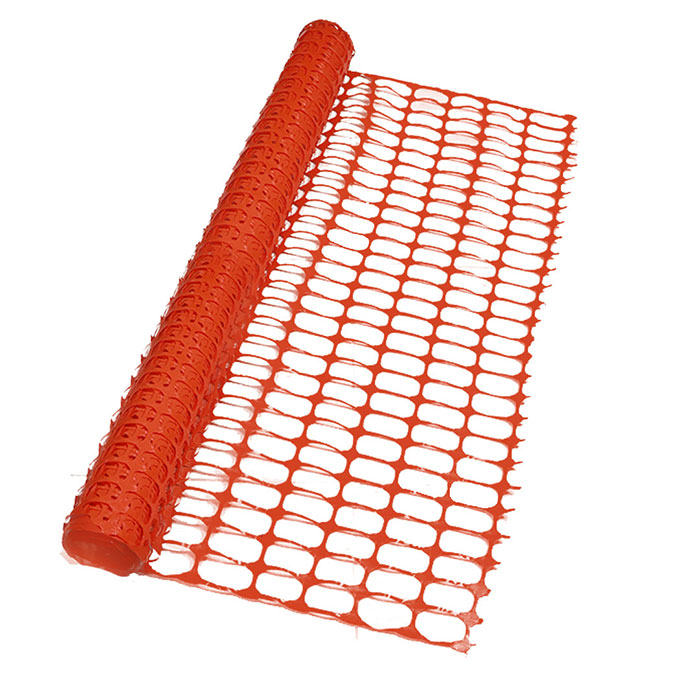
Orange HDPE Temporary Site Fence Roll – 1m × 50m
Establish a clearly visible temporary boundary around construction zones, roadworks, excavations and controlled work areas using this orange HDPE site fencing roll. The mesh measures 1 metre high by 50 metres long, providing practical coverage for contractors, facility managers, event organisers and maintenance teams.
Its bright orange colour improves visibility around active work areas, while the open mesh pattern allows airflow and enables supervisors, workers and pedestrians to see through the barrier. The fencing is suitable for temporary demarcation where a lightweight, flexible and easily deployable boundary is required.
High-Visibility Safety Barrier Mesh
This safety barrier mesh provides a straightforward way to identify areas where access should be restricted or movement controlled. It can be used to separate pedestrians from ongoing work, identify excavations, guide traffic around maintenance zones or mark sections awaiting repair.
The mesh is manufactured from 100% virgin HDPE plastic, giving it a lightweight structure that is convenient to transport, install and remove. Unlike untreated metal fencing, the plastic construction does not rust when exposed to ordinary outdoor conditions.
Product Specifications
- Product type: Temporary plastic site fencing
- Material: 100% virgin high-density polyethylene
- Colour: High-visibility orange
- Roll dimensions: 1 metre × 50 metres
- Mesh aperture: Approximately 100mm × 40mm
- Packaging: One rolled mesh fence
- Design: Flexible open plastic mesh
- Reference standard shown on packaging: BS 6579-7:1989
- Installation supports: Fencing pins, posts, stakes or existing structures
- Fastening method: Cable ties, suitable wire or compatible fasteners
- Recommended setting: Temporary indoor and outdoor demarcation
- Posts and fasteners: Not included unless stated separately
Designed for Temporary Site Control
The roll format makes the safety barrier mesh suitable for projects where boundaries may need to be installed, moved or adjusted as work progresses. It can be placed along straight sections, around corners and across irregular layouts.
Because it is flexible, the mesh can be cut to the required length where the full 50-metre roll is not needed. Any cut section should be securely tied to supporting posts to prevent loose edges.
Where the Orange Site Fence Can Be Used
Construction Sites
The mesh can be installed around building works, trenches, scaffolding areas, material storage sections, unfinished surfaces and temporary contractor workspaces.
For stronger visual site control, combine the fencing with high-visibility road safety cones placed at entrances, corners and vehicle approach points.
Roadworks and Civil Engineering Projects
Use the safety barrier mesh around road repairs, drainage works, pavement maintenance, utility installation and temporary diversions. The orange colour helps motorists, pedestrians and site workers identify the controlled section from a distance.
Excavations and Groundworks
The mesh can visually identify trenches, open ground, landscaping works and drainage excavations. Where the area presents a fall or vehicle-impact hazard, it must be supplemented with suitable rigid protection.
Warehouses and Industrial Facilities
Factories, workshops and warehouses can use the mesh to separate:
- Machinery maintenance zones
- Temporary storage areas
- Loading and unloading sections
- Damaged floor areas
- Restricted production sections
- Contractor work zones
- Temporary pedestrian routes
Events and Public Spaces
The fencing can help define queues, pedestrian routes, service areas, parking sections and restricted event spaces. It is suitable where organisers need visible guidance without completely blocking the view.
Landscaping and Property Maintenance
Use it to identify newly planted areas, drainage projects, lawn repairs, tree maintenance zones and sections where contractors are working.
Open Mesh Design for Visibility and Airflow
The approximately 100mm × 40mm apertures create an open structure that allows air to pass through the fencing. This gives the safety barrier mesh less solid surface area than continuous plastic sheeting while maintaining a visible orange boundary.
The open design also allows supervisors and security personnel to observe activities on the other side of the fence.
Although the mesh allows airflow, it must still be correctly tensioned and supported, especially in windy or exposed locations.
Installation Guidelines
Preparing the Boundary
Identify the area that requires demarcation and determine where gates, corners and access points will be located. Remove sharp objects that could cut or tear the plastic during installation.
Positioning the Supports
Install fencing pins, wooden stakes or metal posts at appropriate intervals. Closer support spacing may be necessary around corners, entrances and wind-exposed sections.
Attaching the Mesh
Unroll the mesh progressively and secure it at the upper, middle and lower sections of each support. Use appropriate cable ties, wire or fastening clips.
Do not overstretch the fencing. Excessive tension may distort the openings or weaken the attachment points.
Improving Site Visibility
The mesh can be paired with yellow and black caution tape or red and white barrier tape where additional hazard marking or directional guidance is required.
Customers can also explore the wider safety signages and tapes range for related workplace warning and access-control products.
Inspection and Maintenance
Check the installed safety barrier mesh regularly, particularly after strong winds, heavy site activity or accidental contact with equipment.
During inspection, confirm that:
- The support posts remain secure
- The mesh is properly tensioned
- Fasteners have not loosened
- The fencing remains clearly visible
- Torn or weakened sections are repaired or replaced
- Access points are still correctly positioned
Remove any section that has become severely torn or can no longer provide clear demarcation.
Removal and Storage
When the project is complete, detach the mesh carefully instead of pulling it forcefully from the posts. Remove any wire, cable ties or sharp fasteners before rolling it.
Store the fencing in a dry, cool area away from sharp tools, excessive heat and chemicals. Mesh that remains in good condition may be reused for another temporary project.
Important Usage Limitations
This product is primarily intended for temporary visual demarcation and pedestrian guidance.
It should not be used as:
- Fall-arrest equipment
- Structural edge protection
- Load-bearing safety netting
- Vehicle-impact protection
- Permanent perimeter security fencing
- A substitute for rigid excavation barriers
Where there is a risk of falling, vehicle collision or forced entry, install suitable engineered barriers and other controls based on the site risk assessment.
Benefits of the Orange Safety Barrier Mesh
- Bright orange colour for easy identification
- Practical 1m × 50m roll size
- Lightweight and convenient to handle
- Flexible around corners and irregular boundaries
- Open mesh supports visibility and airflow
- Suitable for temporary indoor and outdoor use
- Can be cut into shorter sections
- Does not rust
- Easy to attach to compatible supports
- Suitable for multiple industries and projects
- Reusable when removed and stored correctly
Frequently Asked Questions
What are the dimensions of the fencing roll?
The roll measures 1 metre high by 50 metres long.
What is the mesh opening size?
The openings measure approximately 100mm × 40mm.
What material is used to make the mesh?
The safety barrier mesh is manufactured from 100% virgin HDPE plastic.
Is the fencing suitable for outdoor use?
Yes. It can be used for temporary outdoor demarcation when securely supported and regularly inspected.
Are the fencing posts supplied with the roll?
No. Fencing pins, posts, stakes, cable ties and other installation accessories are not included unless specifically indicated in the quotation or package.
Can the mesh be cut?
Yes. It can be cut into shorter sections using a suitable cutting tool. The cut edges should be securely fastened.
Can the fencing be reused?
Yes, provided it remains free from major tears, excessive stretching or damaged attachment points.
Is it suitable for controlling crowds?
It may be used for temporary pedestrian guidance and event demarcation. It should not replace rigid crowd-control barriers where strong physical restraint is required.
Can it prevent someone from falling into an excavation?
No. The mesh is a visual warning barrier and must not be relied upon as structural fall protection.
Does the mesh require maintenance?
Yes. Inspect it regularly for torn sections, loose ties, sagging and unstable support posts.
Reviews
There are no reviews yet.