Description
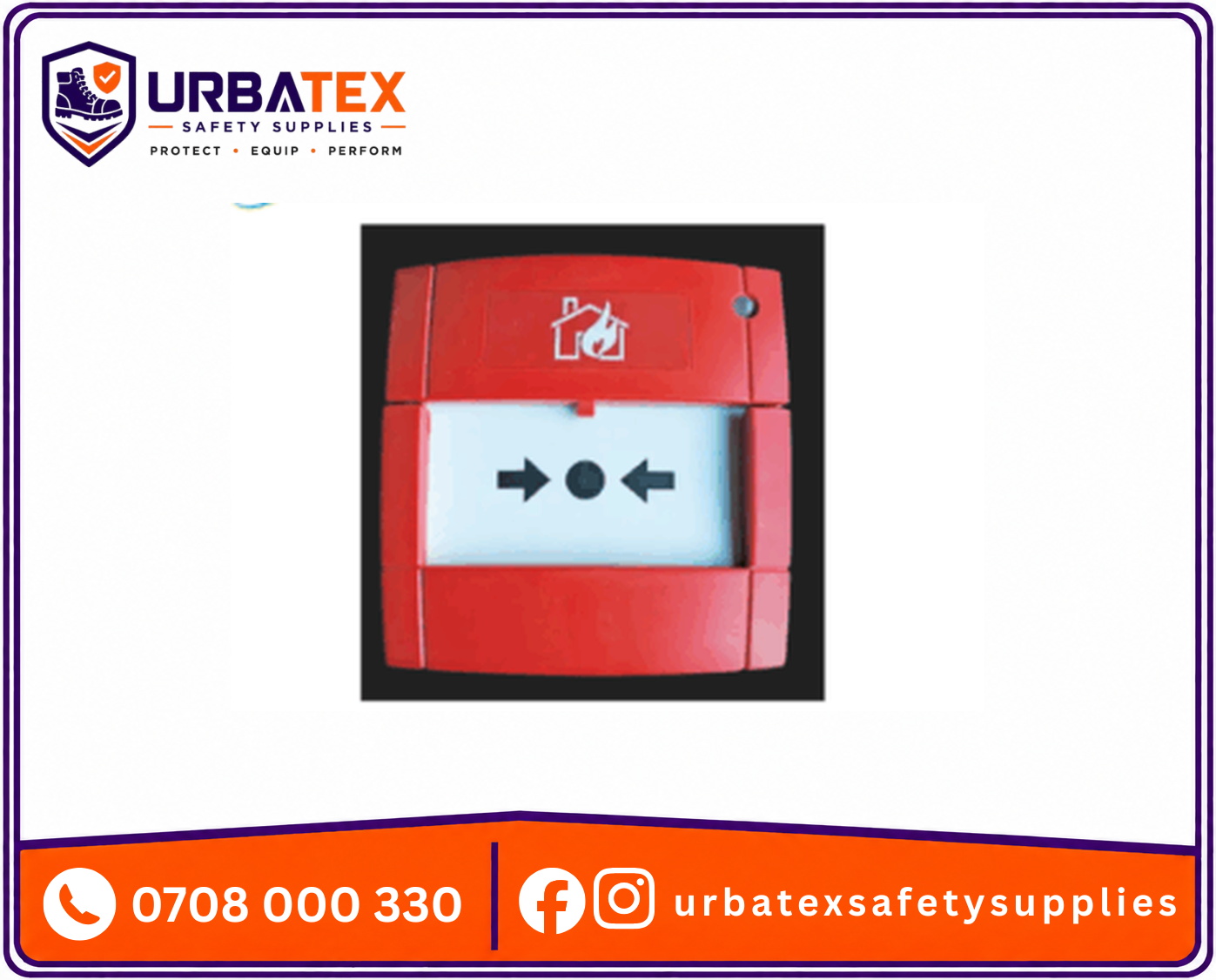
Manual Call Point (“MCP”)
Manual Call Point (“MCP”) is designed for property owners, facility managers, contractors, institutions and businesses that need dependable fire detection and alarm support for buildings in Kenya. Fire detection devices help identify fire risks early, raise alerts, support evacuation and improve emergency response before damage becomes severe. This product is suitable for buyers looking for manual alarm activation, emergency reporting and occupant alert support in Nairobi and across Kenya.
A complete fire safety system should combine detection, notification, response equipment, inspection and staff awareness. Businesses investing in fire fighting equipment in Kenya should consider how detection devices work together with extinguishers, hose systems, signage and emergency procedures. The goal is not only to install products, but to create a system that helps people respond quickly and safely.
Product Overview
The Manual Call Point (“MCP”) is suitable for offices, apartments, warehouses, schools, hospitals, hotels, factories, workshops, retail buildings, churches, laboratories and commercial premises depending on the device type and system design. It supports building fire safety by improving detection, alerting, access control or emergency communication in areas where fast response matters.
For many premises, fire detection products work alongside extinguishers such as CO2 fire extinguishers, dry powder extinguishers, hose reels and fire alarm infrastructure. This combination helps ensure that a fire risk can be noticed, reported and responded to with the right equipment.
Key Features
- Suitable for selected building fire detection, alarm and emergency safety needs.
- Useful for Nairobi buyers and customers across Kenya.
- Supports early warning, occupant alerting and practical emergency response planning.
- Relevant for offices, apartments, schools, hotels, warehouses, factories and commercial premises.
- Can be integrated into broader inspection, maintenance and fire safety management programmes.
Why This Product Matters
Manual call points allow staff or occupants to raise an alarm quickly when they notice a fire risk before automatic devices activate. In fire safety, time is extremely important. A few minutes of early warning can help occupants evacuate, staff raise an alarm and emergency responders act faster. This is why detection devices should not be treated as optional accessories in buildings that need organized fire safety planning.
Fire detection products also help businesses demonstrate a more responsible approach to workplace risk management. When properly installed and maintained, they support safer premises, better accountability and stronger readiness for inspections or internal safety reviews.
Applications in Nairobi and Across Kenya
This product can be used in apartment blocks, office buildings, hotels, hospitals, clinics, schools, universities, factories, warehouses, malls, supermarkets, churches, workshops and public facilities. Nairobi properties often need reliable detection because of high occupancy, electrical systems, storage areas, kitchens, server rooms and shared tenant spaces. Buyers across Kenya may need similar devices for institutions, commercial buildings, industrial sites and residential developments.
When planning facility protection, many procurement teams also review related extinguishers such as water, foam and wet chemical fire extinguishers for different fire risks. Detection devices help identify a problem, while extinguishers and other response equipment help manage the incident once discovered.
Choosing the Right Product
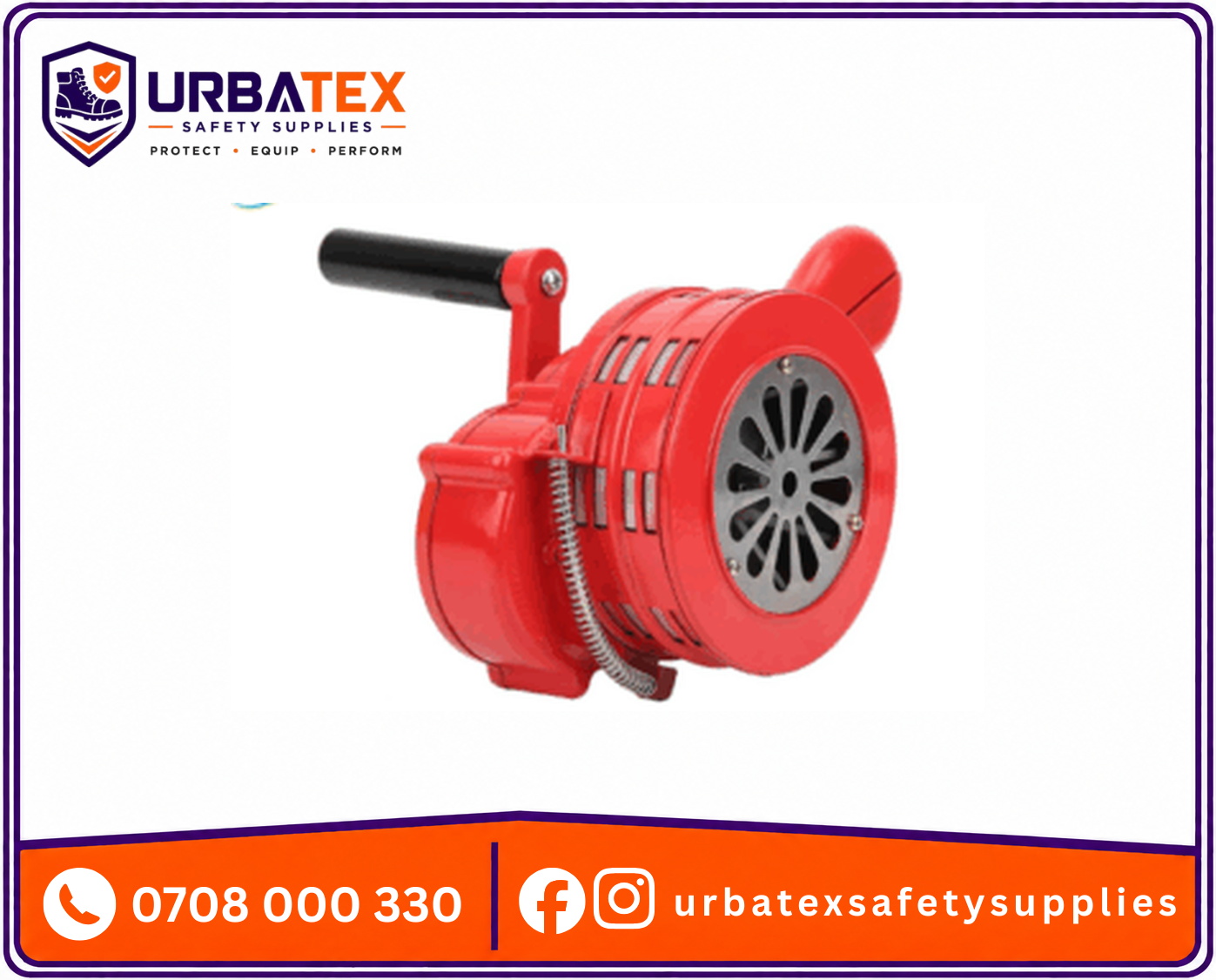
The right fire detection device depends on the building layout, risk level, room use, occupancy, wiring design and alarm system requirements. Smoke detectors may be suitable for general indoor areas, while heat detectors may be better for locations where smoke, dust or steam could cause unwanted alarms. Manual call points allow people to activate an alarm, sounder beacons help alert occupants and control panels help manage signals from connected devices.
Before buying, consider the number of zones, room types, power supply, installation requirements, future maintenance and whether the device needs to work with an existing fire alarm system. Choosing the correct product helps avoid poor performance, false alarms or incomplete protection.
Installation and Placement Tips
Install fire detection devices in locations where they can perform effectively and remain accessible for testing and maintenance. Detectors should be positioned according to the room condition and system design. Manual call points should be placed where occupants can reach them quickly, while sounders and beacons should be located where alerts can be heard or seen clearly.
Installation should be handled carefully because wrong placement can reduce effectiveness. For larger buildings, different zones may need different devices. Corridors, entrances, staircases, equipment rooms, kitchens, storage spaces and high-risk areas should be considered during planning.
Maintenance and Inspection
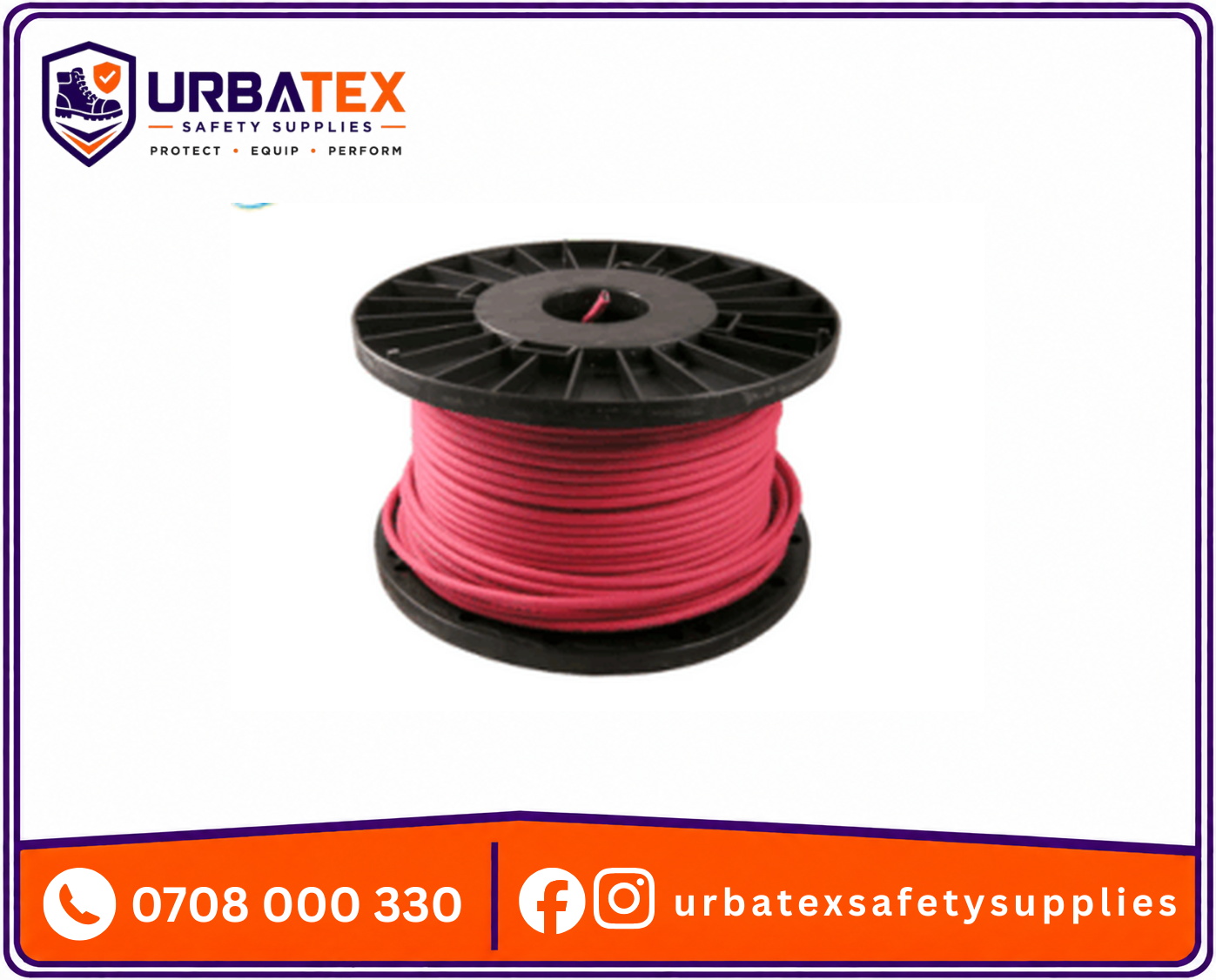
Fire detection devices should be inspected and tested regularly to confirm that they are working correctly. Detectors should be checked for dust, damage, obstruction and response. Call points should be accessible and not blocked. Sounders and beacons should be tested to confirm that alerts can be noticed. Control panels and cables should be reviewed as part of the wider system.
Routine inspection should form part of a broader workplace safety supplies and fire safety management programme. A detection device that is installed but not maintained may fail during an emergency, so records, servicing and periodic testing are important for long-term reliability.
Buying for Businesses and Institutions
When buying for a company, school, hotel, hospital, apartment block, factory or warehouse, consider the number of rooms, floors, exits, high-risk zones, electrical rooms, kitchens and staff movement areas. Some premises may need several types of detection devices, not just one. Good procurement should focus on system compatibility, correct placement, reliable quality and future servicing needs.
For related product comparison, customers can review fire detection devices and broader fire safety equipment in Kenya options before selecting the most suitable setup for their premises. The best decision is the one that supports early warning, safe evacuation and practical emergency response.
Frequently Asked Questions
Is Manual Call Point (“MCP”) suitable for commercial buildings?
Yes. It can be suitable for commercial buildings depending on the fire alarm system design, installation requirements and the specific device type.
Can this product be used in schools, hospitals or apartments?
Yes. Fire detection devices are commonly used in schools, hospitals, apartments, offices, hotels and institutional buildings where early warning and occupant safety are important.
Does this product require testing and maintenance?
Yes. Fire detection devices should be tested and inspected regularly to confirm they are working correctly and are not obstructed, damaged or disconnected.
Can businesses order multiple devices for different zones?
Yes. Businesses, contractors, institutions and property managers can order based on building layout, alarm zones, risk areas and installation requirements.
Final Recommendation
Manual Call Point (“MCP”) is a practical choice for buyers who want better fire detection, alarm readiness and emergency response planning in Nairobi and across Kenya. It supports safer premises when selected correctly, installed properly and maintained on schedule. For best results, it should be planned as part of a complete building fire safety system rather than used as a standalone item.