Description
Hose Coupling
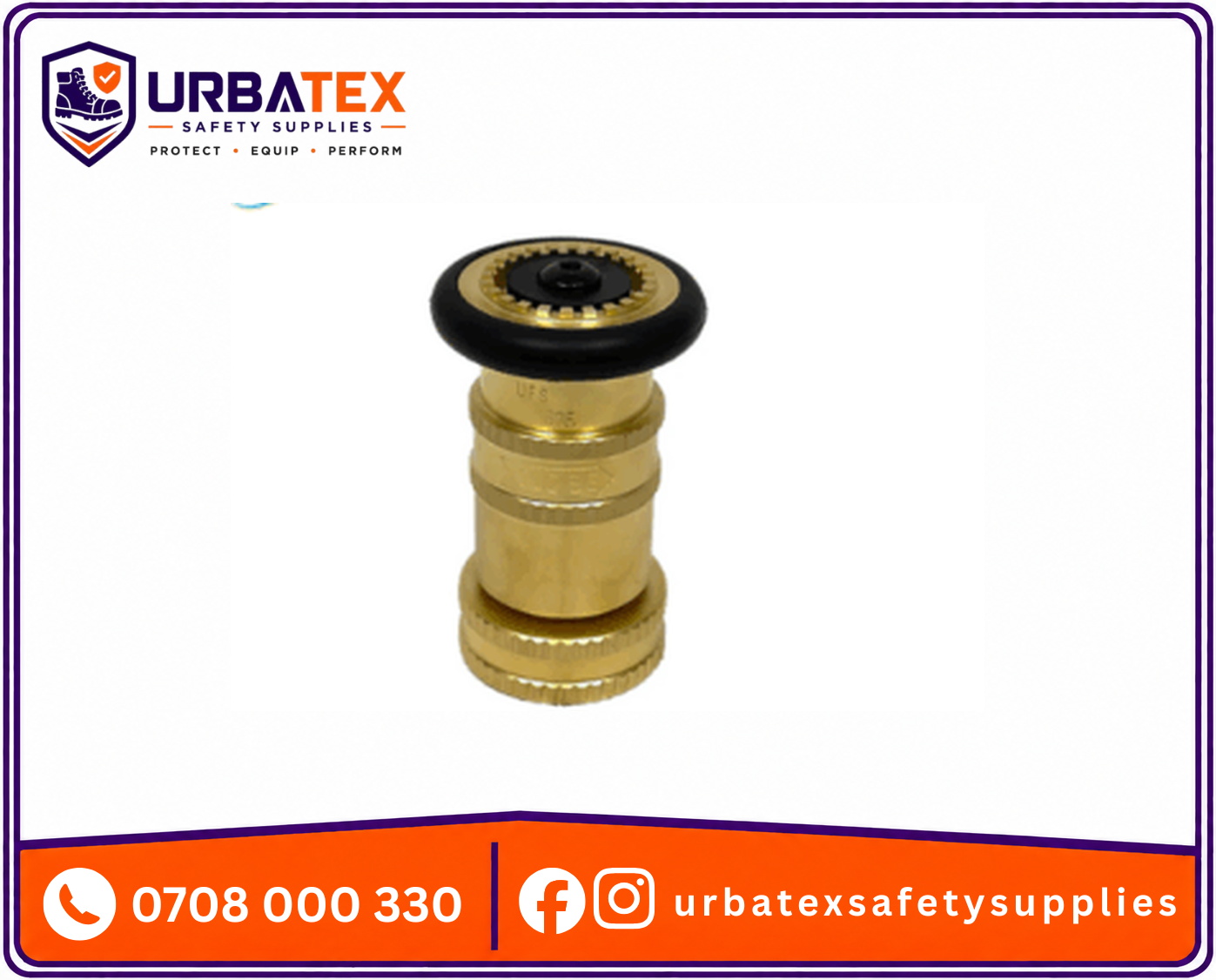
Hose Coupling is designed for facility managers, fire safety technicians, contractors, institutions and businesses that need dependable accessories or spare parts for firefighting systems in Kenya. Fire fighting accessories support installation, servicing, maintenance, replacement and daily readiness of fire equipment. This product is suitable for buyers looking for hose connection, secure joining and firefighting line continuity in Nairobi and across Kenya.
Fire safety does not end after buying extinguishers, hose reels or alarm devices. Every system requires the right accessories, replacement parts and inspection support to remain reliable. Businesses investing in fire fighting equipment in Kenya should also plan for the small components that keep the wider safety setup functional.
Product Overview
The Hose Coupling is suitable for workshops, commercial buildings, factories, schools, hospitals, hotels, apartment blocks, warehouses, institutions and fire equipment servicing teams. It can support installation work, routine replacement, maintenance visits, equipment inspection, repair jobs or emergency system preparation depending on the product type.
For many premises, accessories and spares work together with installed fire systems such as fire hose reels and cabinets, extinguishers, detection devices, sprinkler systems and alarm equipment. Having the correct spare parts reduces delays when servicing is required and helps prevent equipment from becoming unusable.
Key Features
- Suitable for selected fire equipment maintenance, servicing and installation needs.
- Useful for Nairobi buyers and customers across Kenya.
- Supports fire equipment readiness, inspection and replacement planning.
- Practical for contractors, facility managers, fire technicians and institutional buyers.
- Can be included in wider fire safety procurement and maintenance programmes.
Why This Product Matters
Couplings help connect hoses, outlets and firefighting equipment so that water delivery remains reliable during emergency response. Small fire equipment parts can have a major impact on safety. A missing seal, damaged valve, loose hose connection, faulty gauge or poor mounting point can make equipment difficult to use or fail inspection. This is why accessories and spares should be treated as part of the fire safety system, not as minor afterthoughts.
Proper parts also help businesses manage compliance, accountability and emergency readiness. During inspections, servicing teams often check whether extinguishers are mounted, sealed, pressurized, accessible and fitted with the correct working components. Reliable spares make it easier to correct issues before they become safety risks.
Applications in Nairobi and Across Kenya
This product can be used in offices, apartments, factories, warehouses, schools, hotels, hospitals, restaurants, workshops, malls, churches, public facilities and industrial sites. Nairobi properties often need fire equipment spares because of high occupancy, frequent inspections, multi-floor buildings and commercial activity. Buyers across Kenya may require accessories for institutions, projects, maintenance contracts and facility upgrades.
When planning a complete safety setup, many organizations also review fire detection devices because detection, response and maintenance parts must work together. Detection devices help identify fire risks early, while accessories and spares help keep the physical firefighting equipment ready for use.
Choosing the Right Product
The right accessory or spare depends on the equipment type, model, connection size, installation point, maintenance requirement and intended use. For hose-related items, check compatibility with the hose, reel, coupling or nozzle system. For extinguisher spares, confirm the cylinder type, valve style, hose size, gauge requirement and safety seal compatibility. For sprinklers or mounting items, confirm the installation environment before purchasing.
Do not choose only by price. A spare part should fit correctly and perform reliably. Using the wrong accessory can create leaks, poor discharge, failed inspection or unsafe mounting. Procurement teams should keep records of the installed equipment so that future replacement parts can be sourced accurately.
Installation and Placement Tips
Accessories should be installed by knowledgeable personnel or according to the correct equipment requirements. Hose fittings should be tightened correctly, valves should be fitted securely, nozzles should allow proper operation and mounting hooks should hold equipment at the right height. Parts used in safety systems must not obstruct access or create confusion during emergency response.
For buildings with several floors or departments, spares should be organized and stored properly. Fire equipment locations should remain clear and easy to inspect. If a product is used during servicing, the technician should confirm that the equipment returns to a ready condition after installation.
Maintenance and Inspection
Fire fighting accessories and spares should be checked during routine inspections. Gauges should be readable, hoses should not be cracked, seals should not be broken, hooks should be stable, valves should not leak and couplings should connect properly. Small defects should be corrected quickly because they can affect the reliability of the entire fire safety setup.
Routine inspection should form part of a broader workplace safety supplies and fire safety management programme. Keeping basic spare parts available can reduce downtime when equipment needs servicing, especially for businesses with multiple extinguishers, hose reels, valves or sprinkler components.
Buying for Businesses and Institutions
When buying for a company, school, hotel, apartment block, hospital, warehouse or factory, consider how many fire safety points need servicing, how often inspections are done and which components commonly need replacement. Contractors and facility managers may need to purchase accessories in batches so maintenance work is not delayed by small missing parts.
For related product comparison, customers can review fire fighting accessories and spares and broader fire safety equipment in Kenya options before choosing the right components for maintenance or installation. The best purchase is the one that fits the equipment correctly and supports long-term safety readiness.
Frequently Asked Questions
Is Hose Coupling suitable for fire equipment maintenance?
Yes. It can be suitable for selected maintenance, servicing, installation or replacement needs depending on the equipment type and compatibility.
Can this product be used in commercial buildings?
Yes. Fire fighting accessories and spares are commonly used in offices, apartments, schools, hospitals, warehouses, factories, hotels and commercial buildings.
Does this product require professional installation?
Some accessories can be fitted easily, while others should be installed or checked by trained fire safety technicians to ensure safe operation.
Can businesses order multiple spares for servicing?
Yes. Businesses, contractors, institutions and facility managers can order based on the number of extinguishers, hose systems, valves, sprinklers or other equipment points they maintain.
Final Recommendation
Hose Coupling is a practical choice for buyers who want better fire equipment maintenance, servicing readiness and emergency preparedness in Nairobi and across Kenya. It helps keep firefighting equipment complete, accessible and dependable when selected correctly and maintained as part of a wider fire safety system.